 World of
 Encyclopedia of Eka
Eka is a fractured world — lands born of an ancient catastrophe, and peoples with traditions, magics and hatreds entirely their own.
Peoples & Nations
Ten peoples share the known world, and two of them are now no more than provinces of the Cereg. They trade with one another, marry into one another, and have been at war with one another since they were born, in the aftermath of the breaking of Paneka.
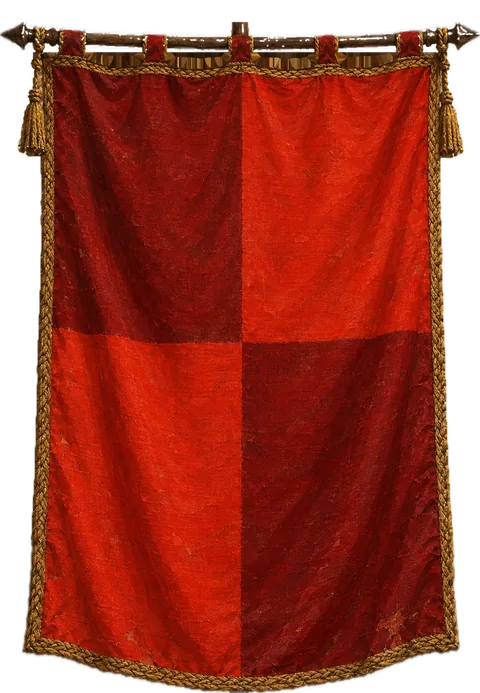
Talauraï
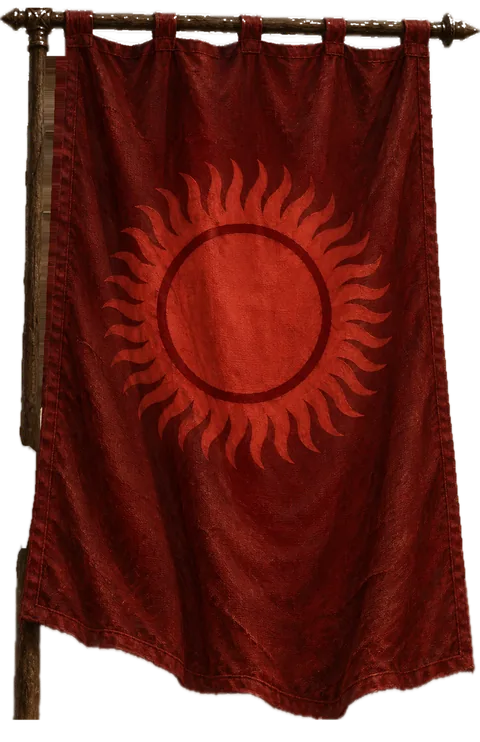
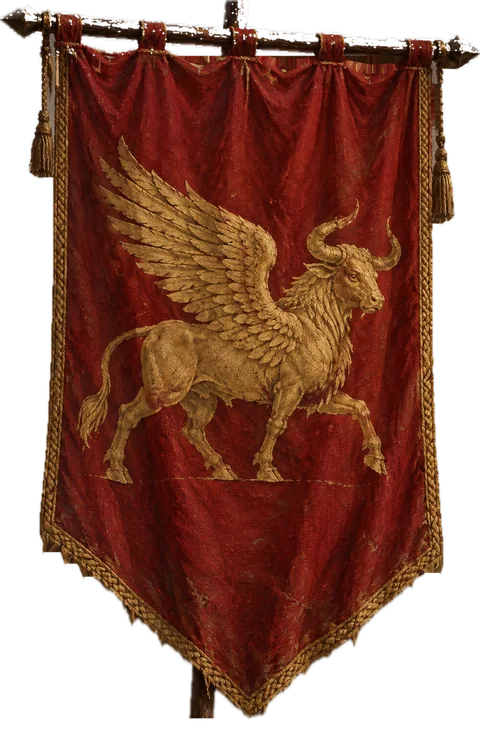
A federation of four sister lands, grown around the old Leronanc and its five provinces. It takes its name from the war-bulls of its cavalry, without which it would not have survived the wars of the north.
- Capital
- Garanc
- Rule
- Federal, with a rotating council and strong regional autonomy
- People
- Many bloodlines mingled; ordinary eyes that flare red when magic rises
- Emblem
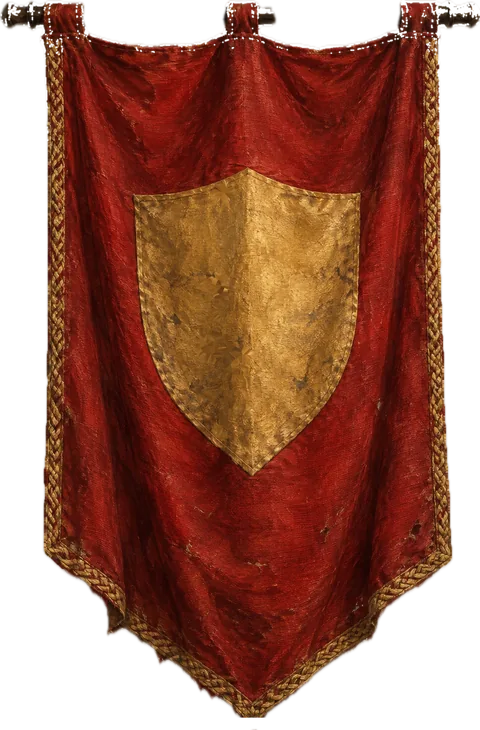
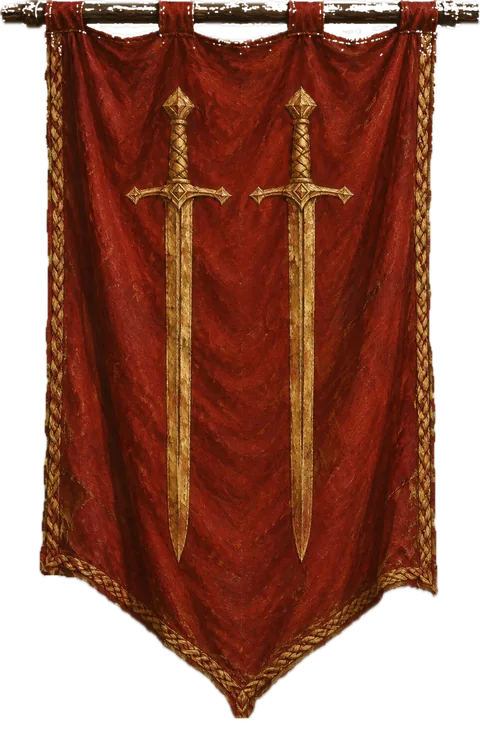
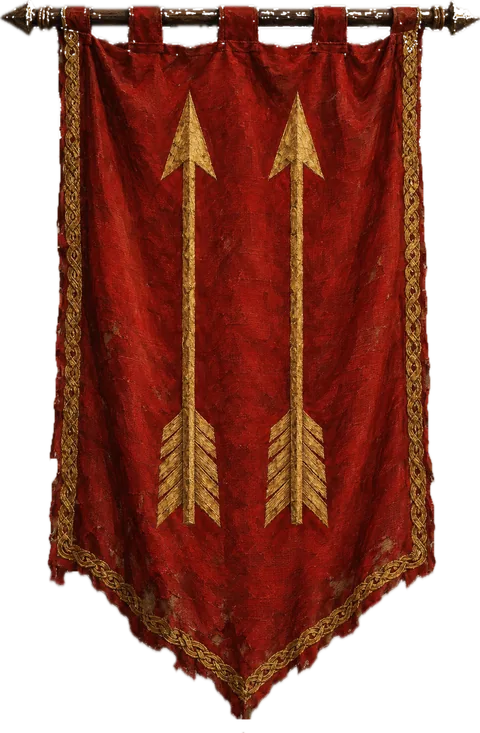
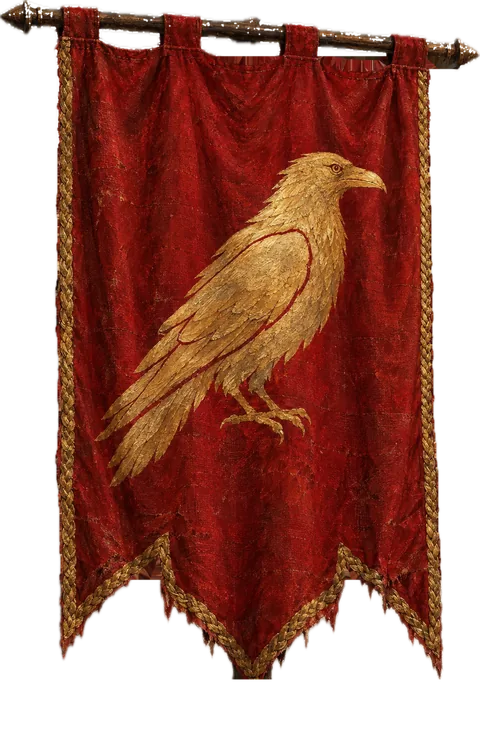
- The winged bull — and the Garde des Anges, soldiers who take to the air over short distances
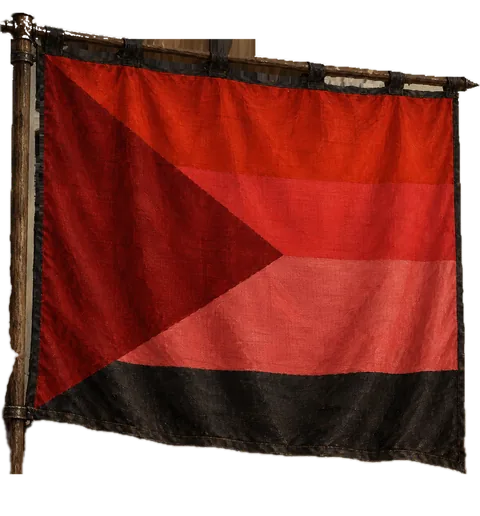
Cereg
The most numerous people of the continent, and the most feared. Its capital floats on the great lakes; its people are warlike by culture, not by circumstance. Weak in offensive magic, and extraordinarily hard to harm with it.
- Capital
- Oreg, a floating city on the great lakes
- Rule
- Military; matriarchs hold the middle ranks of power
- People
- Dark grey eyes, shot with a light grey glint when magic rises
- Totem
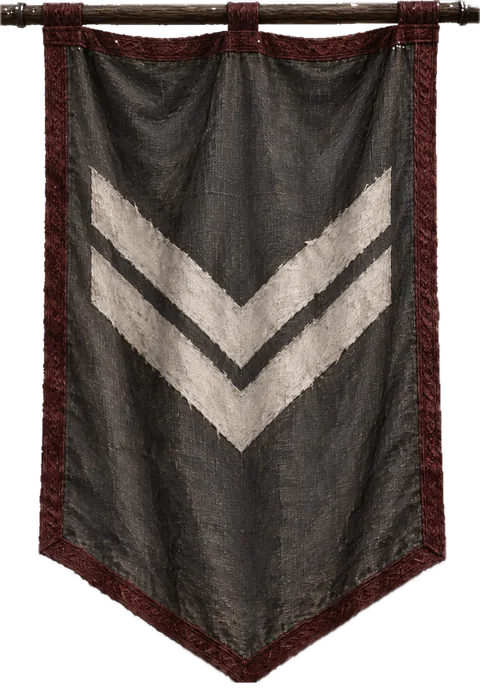
- The wolf — a noble elite rides great wolves; the army goes on horseback
Eseryum
The cold north, and the oldest human people. The Eseri live for an extraordinarily long time, work silver better than anyone, and consider themselves the finest thing humanity has produced — a view the rest of the world resents and quietly shares.
- Capital
- None. Ar Sorth seats the ruling family; the Eseri do not call it a capital
- Rule
- Ten cities, ten ruling families
- People
- Very pale, with piercing blue eyes whose glint sharpens when magic rises
- Totem
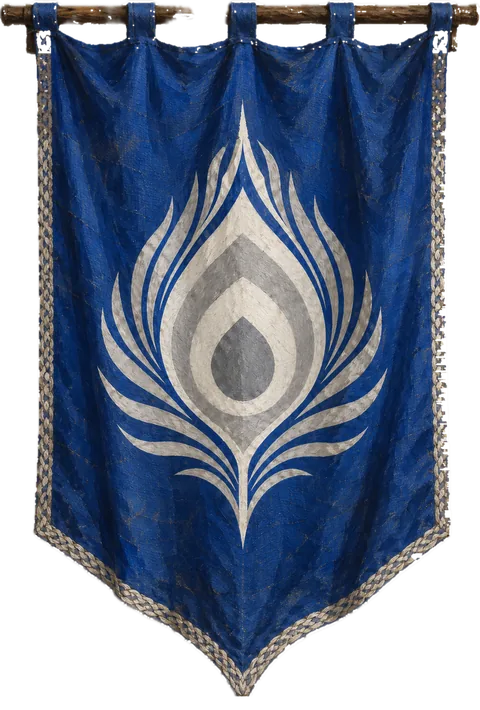
- The peacock. Its elite are the Ombres — few, and rarely seen
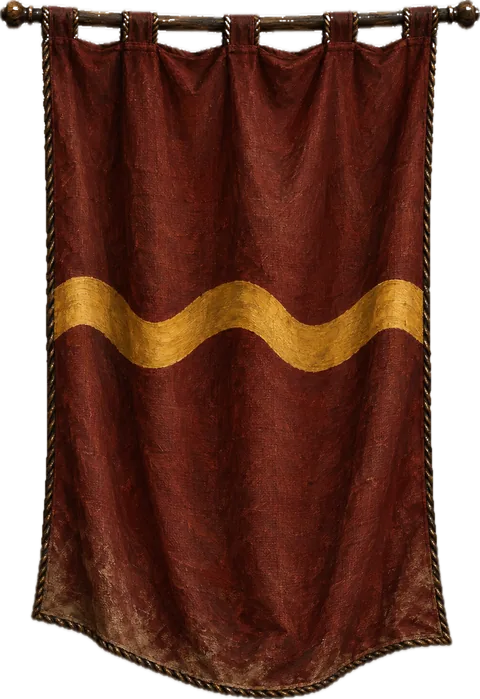
Jitag Ar
The cradle of humankind and the largest city in the world, built once in marble and gold. Its golden age collapsed into corruption long ago; today the temples still stand and the gangs decide what happens in their shadow.
- Capital
- Jitag Ar, the city that gave the nation its name
- Rule
- An unstable theocracy — in practice, whoever holds the street
- People
- Light brown eyes, shot with a yellow glint when magic rises
- Totem
- The giant salamander
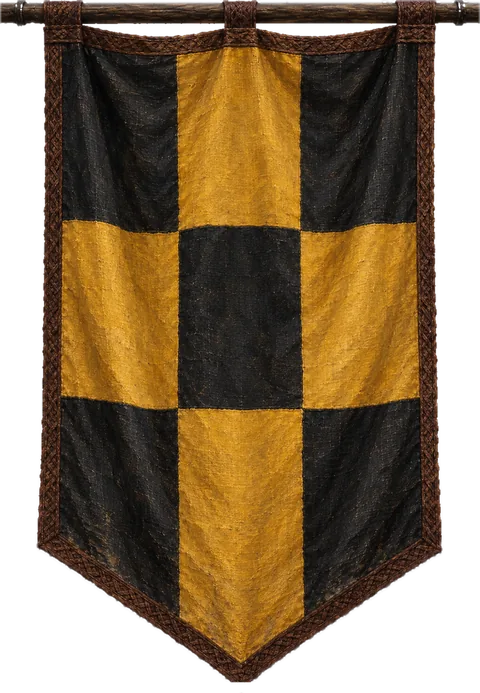
Inenbu
A dry land rich in gold, where whole cities were cut into spent mines and watered by artificial oases. Its capital hides at the bottom of a canyon, houses clinging to the rock, as close to the river as stone allows. Its mines are worked by slaves.
- Capital
- Agarralam, a mine-city with an underground port
- Rule
- Monarchy, oppressive and treacherous
- People
- Pale sand-coloured eyes, shot with a brighter glint when magic rises
- Totem
- Giant scorpions
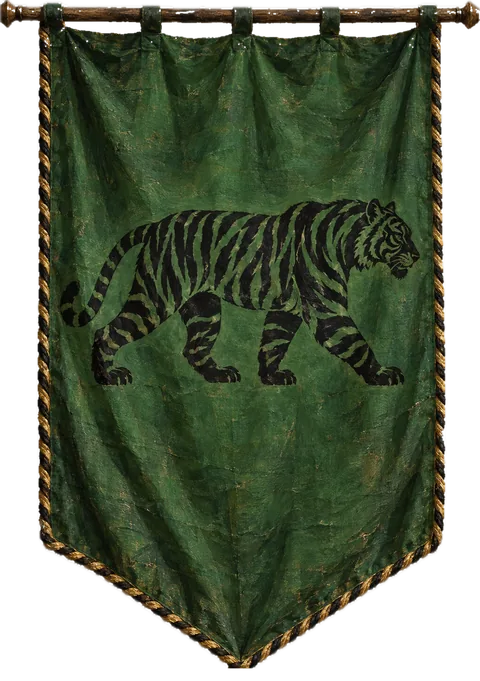
Arenijorio
Monsoon jungle and flooded plain, laced by the Areni — the widest river network of the continent. Its towns and villages stand on natural promontories, raised and dyked against the floods. Its independence did not survive its neighbours.
- Capital
- Aloga
- Rule
- Founded by a single family; today an autonomous region of the Cereg, run by a local nobility under Cereg oversight
- People
- Clear brown eyes, shot with a lighter glint when magic rises
- Totem
- The tiger
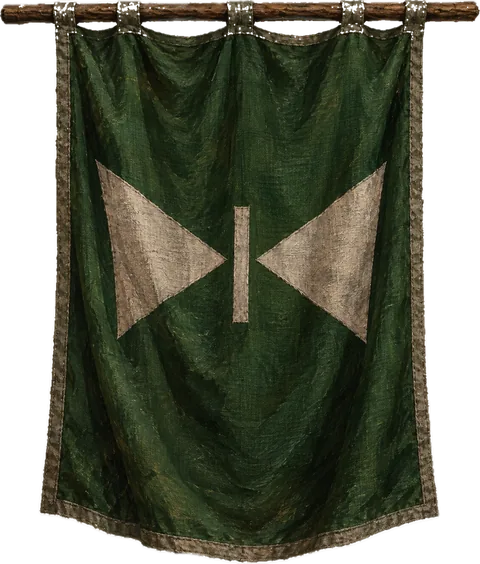
Gumerok
Isolated rock and fjord on the eastern seaboard, and a people who want nothing from anyone. Annexed by the Cereg in the Gumerok war of 3155, it pays for its quiet in men and women handed over to the Cereg legions.
- Capital
- Lavenrok
- Rule
- A quiet, pacifist colony of the Cereg
- People
- Dark grey eyes, shot with a grey-green glint when magic rises
- Totem
- The sea eagle
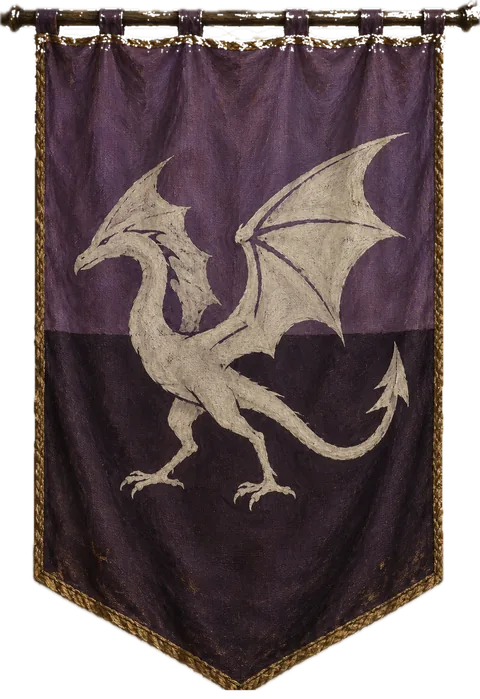
Desiri Saor
Five islands at the centre of an inland sea, raised on the ruins of a fishing village. Six nations keep a quarter here, no public worship is permitted, and the whole place answers to police and informers rather than to an army. It is the seat of the Venilsera.
- Capital
- Desiri Saor itself, second city of the world
- Rule
- A council of all nations, an elected governor, and strict secularism
- People
- Everyone — six national quarters, and every tongue in Eka
- Mounts
- Wyverns, anti-magic mounts, flown by the army, the Venilsers and anyone who can pay
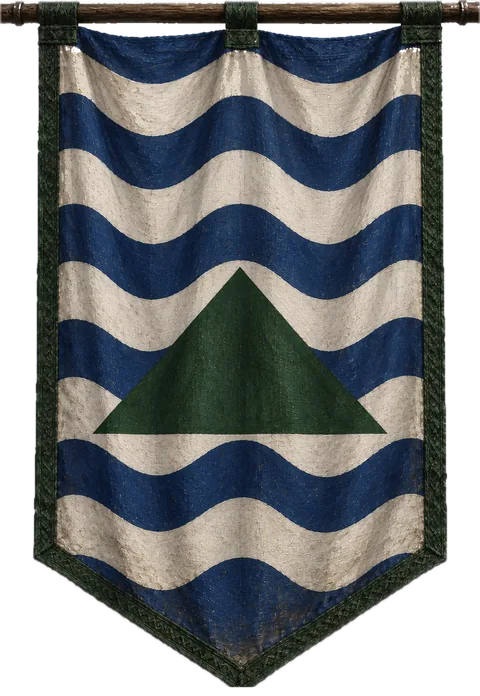
Sipoe Linen
Founded far from Paneka by the shaman Sipoe Linen, who refused to take part in a slaughter. The two towns that face each other across the lake bear her name. Paddy fields, fish farms and floating villages; a modest magic of water — breathing beneath it, and speaking with what lives in it.
- Cities
- Sipoe to the north of the lake, Linen to the south, on Sokane
- Rule
- Council of the Ancient Families — a line that fails is replaced
- People
- Pale sand-coloured eyes, shot with a brighter glint when magic rises
- Totem
- The turtle — and a slow, heavy, near-unbreakable fleet
Ikane
Islands thrown up by the shattering of the world, settled by those who survived it. Reefs and storms do the work of walls. There is no rank to inherit here: standing is won at sea, and nowhere else.
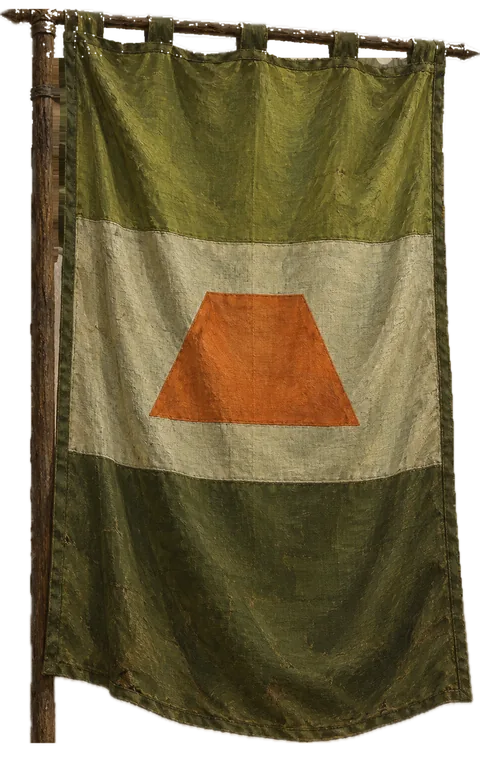
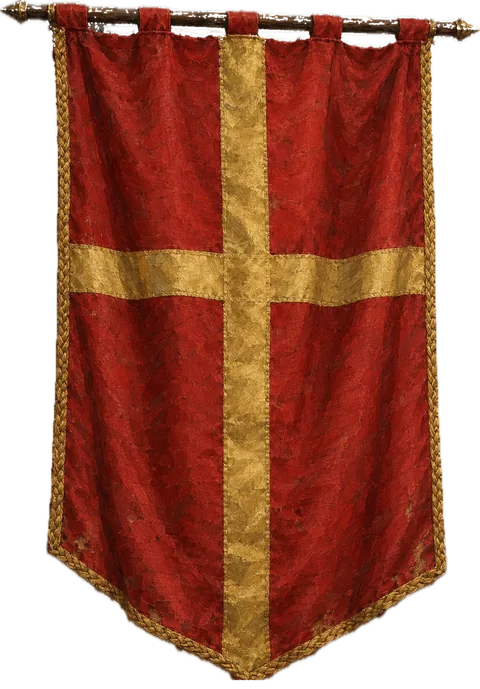
Ikane has no banner of its own: each clan carries its own, shown below with the pirate clans.
- Capital
- None — power belongs to the fleet captains
- Rule
- Free, scattered, and answerable to no one
- People
- Dark eyes; a life spent on the water
- Totem
- The shark — light, numerous ships built for speed
And Unkane
The fourth land carries no flag. Unkane belongs to the Ekores, the first conscious beings of Eka, and every attempt to settle it has failed — the sea alone has ended most of them. What the nations know about Unkane, they mostly know as a warning.
The pirate clans of Ikane
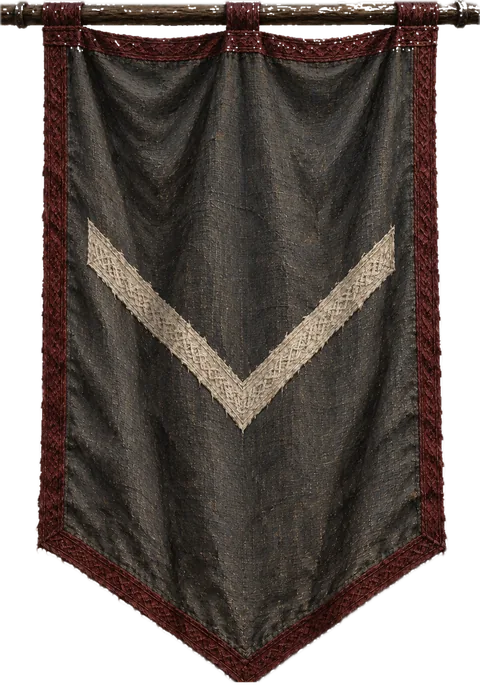
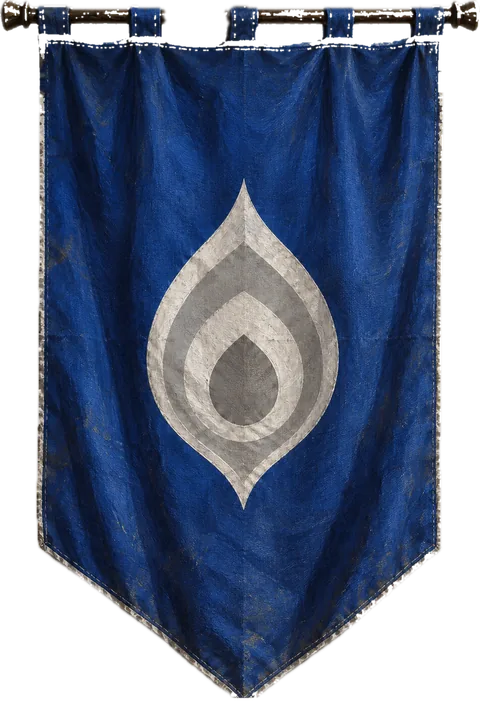
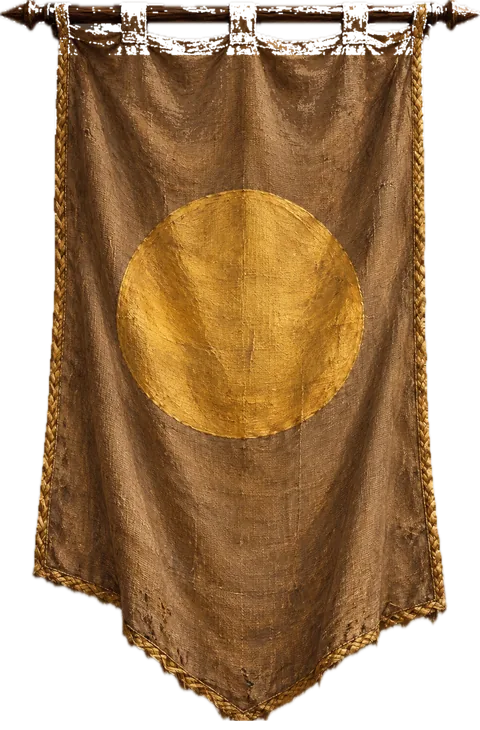
Ikane has no capital and no king, but its pirates are not lawless. They gather behind three clans, each under its own banner, and no captain commands there without having been acknowledged by a shark.
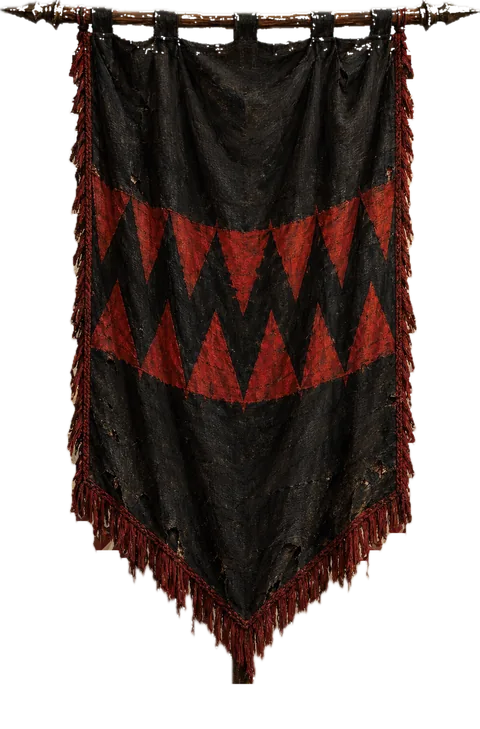
Dents du Requin
The largest clan of Ikane, and the oldest. It is not one crew but several factions, each with its own ships, flying the same banner and fighting over power almost as much as they fight the others.
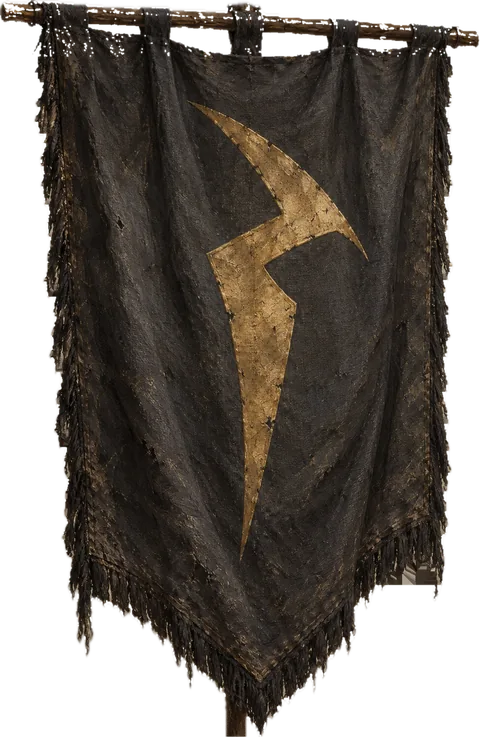
Faucheurs
A clan apart, distinct from the Dents du Requin: not the same people. The second clan of Ikane by size, feared on every coast its ships visit.
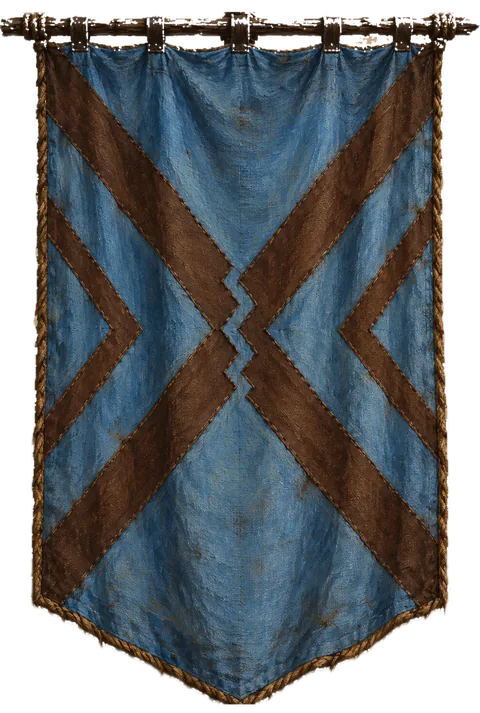
Naufrageurs
The smallest of the three, and the youngest. Still little known outside Ikane, yet already counted by those who keep the ledgers of the sea.
A selection of captains from the different clans sits on the council of Krascaven. It sets common prohibitions, the first being never to prey on the Ekores, and stays out of the inner life of the clans: each one enforces its own rules.
Tongues of Eka
Most of the world speaks the common tongue. Two exceptions are worth the traveller's attention.
The old speech of the north
Soft, sung, and deliberately noble — the language of poetry, ritual, magic and high birth, kept alive in the Eseri cities. It has no kinship with the common tongue: it descends from that of the Elustari.
Vanil alek. — “Peace upon you.”
The patois of the lakes
The common tongue stripped down to what a Ceregos needs: short words, hard consonants, no courtesies. It is not a poor language. It is an impatient one.
Gret pa. — “Greetings, peace.”
Magic & Institutions
Magic came to Eka when the Ekores gave their own energy to the world. Everyone carries a little of it; almost no one ever learns to reach it.
Passion & transformation
Destruction, purification, the raw shove of energy into a thing. It answers to intense tempers.
Depth & mystery
Healing, altering the state of things, concealment, transport. It demands intuition and emotional control, and it is the element of illusion.
Solidity & growth
Shaping ground and stone, raising defences, coaxing fertility from soil. The element of builders, and of anyone who intends to still be standing afterwards.
Clarity & motion
Speech across distance, speed, the handling of what has no substance. The element of messengers, diplomats and strategists.
Signing and incanting
A spell is two joined gestures, and it is taught that way from the first year. First you sign: precise movements of the body, the hands and the arms that give the magic its shape. Then you incant — the spoken or murmured formula that binds the gesture to what you actually intend. The harder the working, the finer the signs and the longer the words.
Both can be compressed, and a good mage compresses them until an onlooker sees almost nothing. The hands can never be dropped. There is no spell without the hands, at no rank and for no working; and the voice, however far it is pared down towards a murmur, almost never falls entirely silent.
Which is why a mage needs his hands, his voice and a moment, and why whoever takes all three has taken everything. Bound at the wrists, the most powerful mage alive is a man in a room.
What mastery actually is
Two dials, endlessly mistaken for one another. Intensity is how much magic you pour in, and it decides what the working costs you. The gesture is how cleanly you shape it, and it decides what you get back. Two mages spending the same power do not obtain the same result, and the whole of the difference is in the hands.
So mastery is not making fewer signs. It is making better ones. At the same price, a clean gesture returns a fire far larger than a hurried one, and a sloppy gesture cannot be rescued by spending more: it only becomes expensive as well as poor.
The real test is not the training yard. It is holding the same clean gesture while someone is shouting at you, while your breath is gone, while you are afraid. This is what the schools mean when they measure rank by the art of signing rather than by raw power. A duel is not two reserves meeting. It is two hands under pressure, and the one that does not come apart wins.
Rank, and what it is worth
Raw reserve counts for less than most people assume. A well-trained mage with a shallow well routinely beats a powerful one who never learned control, and every school on the continent will tell you so before your first lesson.
The ladder runs from Apprentice and Acolyte — the two examinations of an ordinary schooling — through Mage, Associate, Master and Grand Master, to the Mythic, whose work is measured in ruined regions. Above all of them stands the Etheriarch: no longer material, no longer bounded by anything at all, and far closer to legend than to any career a student could plan.
Command of all four elements at once is vanishingly rare, and it is the price of entry for the great feats — portals, and teleportation across the world.
Relics & gems
A relic is a forged object set with an elemental gem: the finest craft in the world, usually Eseri, and priced accordingly. Activated, it lends a mage power beyond his own reserve for a while — and it is genuinely useful only from the rank of Master. Below that it is simply a way to die badly.
- Fire — Garnet of Soranc violet-rose, mined in the Helaranc mountains
- Water — Tourmaline of Ar Sorth blue-green, from the beaches of Nymath
- Earth — Tsavorite of Agarralam deep green, from the windy peak of Lytharen
- Air — Chrysoberyl of the Jitag Ar luminous yellow-green, from the deep forest of Kal Daraz
A lost relic picked up by someone too weak to hold it heats, swells and kills him. Most are kept in a strongbox rather than worn.
Satepeva & Satepein
Cities shield themselves against teleportation, so travel goes through the Satepeva — the licensed halls, each one a famous extravagance of gems and precious alloy, each one watched by identity checks the moment you step out. The Satepein is the same craft built in a cellar by people with a reason to avoid the door.
Every spell leaves a mark
Magic leaves an energy signature on a place or an object. Small workings fade in hours; something rare and violent can be read for weeks. Investigators trained to hunt those traces can reconstruct a fight — and sometimes name the mage who started it.
The Venilsera
The order of mages: it registers everyone trained in an official school, handles their instruction, investigates magical crime, and stands between nations that would otherwise be at war. Its people work in pairs, never alone, and no one joins below the rank of Associate.
The Seranel
Seven seats at the head of the Venilsera, one for each of the great schools of a different nation. It plans the missions, arbitrates the quarrels, and has kept the longest peace Eka has known since it was founded, in the year 3200.
Where magic is taught
The Central Academy of Desiri Saor is the largest and the most sought-after. The Academy of Laranc, in the Talauraï, is the great generalist school. Inenbu's academy, at Saribulam, has a reputation for brutality; the Cereg keeps a tiny association at Irceg, barely a hundred students in all; Sipoe Linen's school at Linen is newly founded; the Jitag Ar's is the weakest on the continent. There is also talk of a seventh school, in Eseryum, of which almost nothing reaches the other academies.
Faith & Superstition
Two old religions, one outlawed cult — and a city that has banned all three.
The Circle
Veneration of nature as the one eternal living force, and of Irides, who is felt in it. Seasonal rites, meditation, symbolic offerings. The Circle promises no paradise: the dead return to the magical dust of the world and rejoin the whole of it.
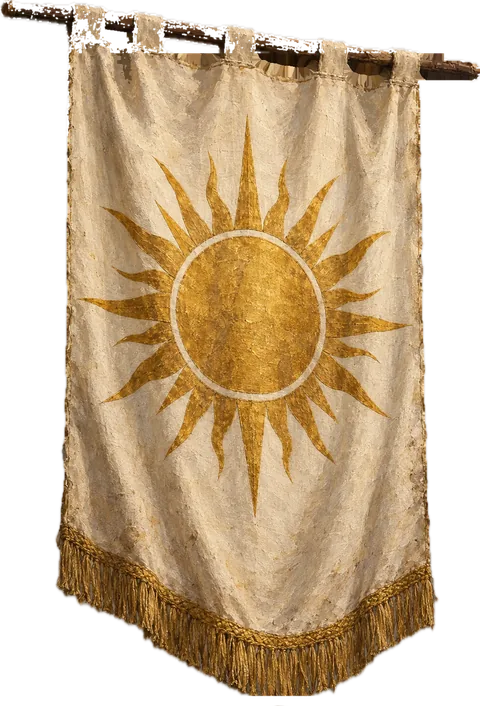
The Pantheon of Eka
The oldest religion in the world, named after the people who founded it. Many gods, each guiding a part of life, and a soul that is reborn according to what it did with the last one. Its priests are the shamans; its heart is in Inenbu.
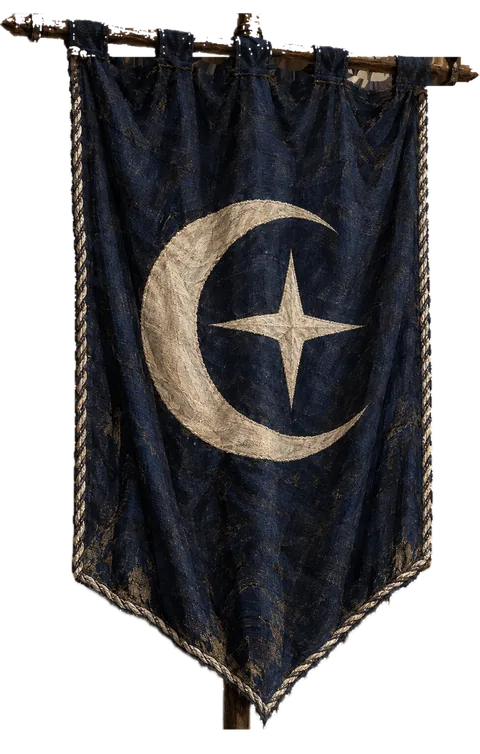
The Path
A secret and outlawed cult, hunted by the authorities of Eka, whose influence keeps growing in the shadows. What The Path really wants remains, for now, a mystery.
The rationalists
Unbelievers are scattered through every nation, and their current runs strong in Eseryum and in Desiri Saor. In Desiri Saor, public worship of any kind is forbidden outright, and the city takes its bearings from what can be seen and done rather than from what might be hoped for.